

業務紹介
考古資料の保管‧活用
保管
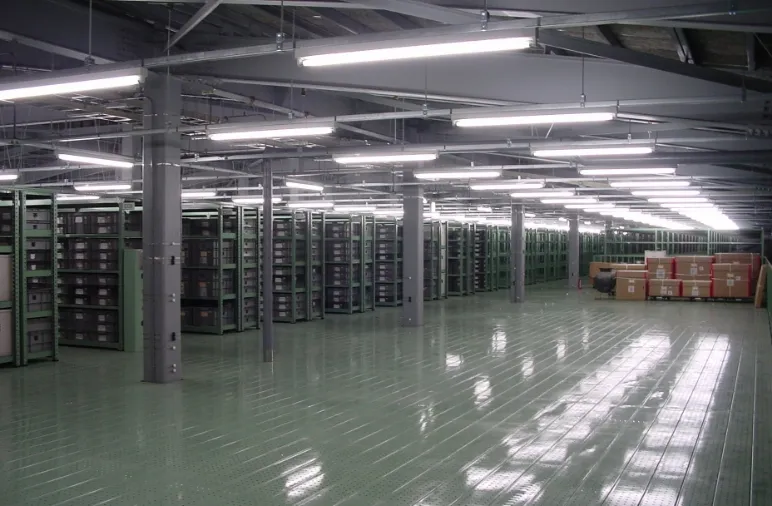
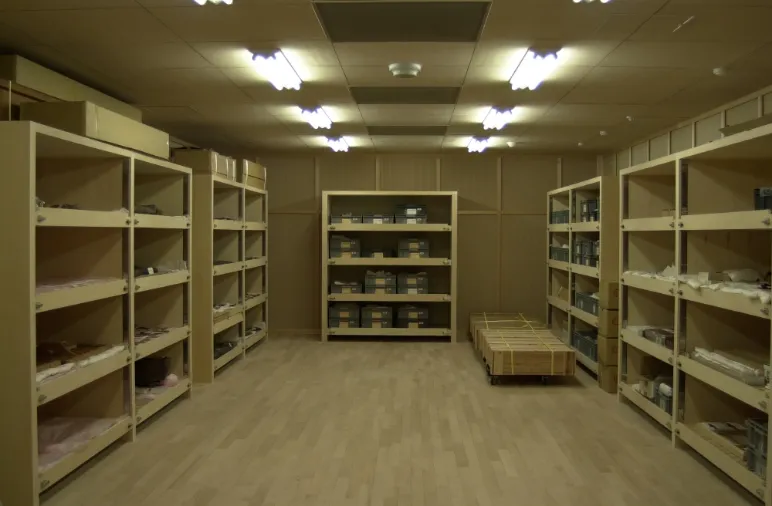
福島県教育委員会が実施した遺跡の発掘調査により出土した遺物、発掘調査の記録図面や写真等を保管しています。土器や石器、記録類は一般収蔵庫、保存処理された金属製品や木製品などは、温湿度が一定に保たれた特別収蔵庫で保管しています。
遺物は箱に収められ、資料の探索や出し入れがしやすい状態で整理・収納されています。一般収蔵庫には約65,000箱分の資料が保管できます。
展示
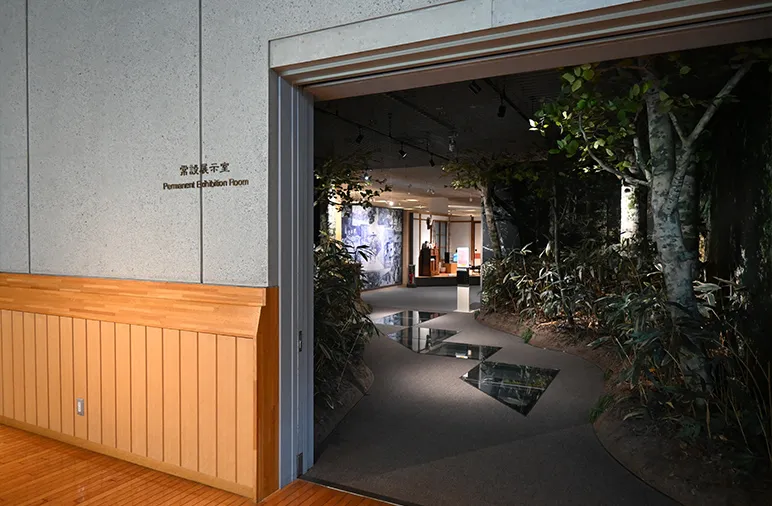
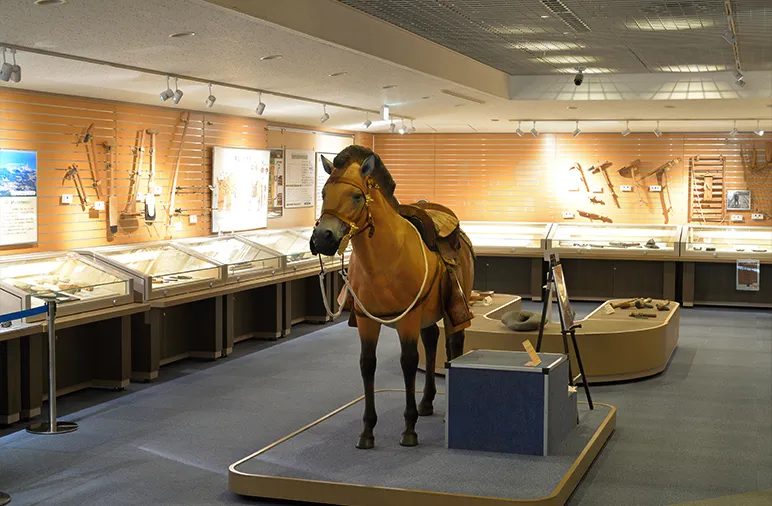
常設展示室において収蔵資料を展示するとともに、特別展示室では、定期的に内容を変えて企画展を開催して、様々な収蔵資料を展示する機会を設けています。また、県内市町村や公共施設と連携して、移動展を開催することもあります。
資料の貸出・閲覧
当館収蔵資料の貸出を行っています。また、当館収蔵資料の調査研究を希望する方に向けて、館内での閲覧対応も行っています。
保存処理
土の中から発見される遺物のなかでも、金属質遺物や木などの有機質でできた文化財は、非常に脆く壊れやすくなっていることがほとんどです。これらの脆弱な遺物を国民の共有の財産として活用し、より良い状態で後世へ伝え遺すために「保存処理」を施します。
遺物の材質や状態によって保存処理方法は異なりますが、一般的には下記のように行われます。
事前調査
遺物の材質や構造などを調べます。事前調査を行わなければ、それぞれの遺物に適した保存処理を行うことができません。また、保存処理に必要な情報だけではなく、遺物の持つ様々な情報を得るためにも重要です。
表面からは見えない部分を調べるためにX線透過撮影を行ったり、何でできているかを調べるために蛍光X線分析を行うなど、様々な方法を用いて調査しています。
金属質遺物の保存処理
遺跡から出土した金属質遺物のほとんどは出土後放置するとどんどん劣化していきます。劣化が進むと遺物の形が分からなくなるくらいボロボロになってしまうため、可能な限り劣化の進行を防ぐ処理を行います。また、錆の除去や破片の接合などを行い、遺物本来の形に近づけます。さらに、樹脂による補強を行うこともあります。
保管中の金属質遺物は特殊なフィルムと脱酸素乾燥剤を使用し、低酸素・低湿度状態を保つことで金属質遺物の劣化を抑制します。
木質遺物の保存処理
土の中に埋まった木質遺物は、微生物などに分解されて残らないことがほとんどです。しかし、水分が潤沢で酸素量が少ないなど、条件が整った環境では残りやすくなります。ただし、多くの木質遺物は水をたっぷり含んだスポンジのような状態で発見されます。そのため、木質遺物を出土後放置すると乾燥し変形してしまいます。このような木質遺物は、水を別の物質に置き換える方法や、変形させることなく乾燥する方法によって保存処理を行います。保存処理方法は木の種類や劣化状態によって使い分けます。
また、保存処理を行う前の木質遺物には防腐剤入りの水に浸すなどして、一時的に保管しているものも多くあります。
保存処理後の管理
保存処理を施した遺物であっても無条件に永久的な保存ができるわけではありません。そのため、当館ではそれぞれの遺物にとって適した環境での保管・展示ができるよう管理しています。
文化財を活用した体験
まほろんでは、収蔵資料を活用するとともに、福島県内の文化財を題材として、むかしの生活や技術を体験できる場を提供しています。
体験学習には、来館した際にいつでもできる体験学習、参加者を募集して期日と定員を設定して行う募集型の体験学習、団体利用向け体験学習、当館職員が学校などの教育機関に出張して行うおでかけまほろんなどがあります。
常時体験型のメニューは、個人で来館される方はどなたでもご利用いただけます。
文化財に関する研修
主に県内市町村等の文化財保護を担当する職員を対象として、文化財保護に必要な知識・技能を習得するための研修を実施しています。
文化財に関する研修‧技術協力
主に県内市町村等の文化財担当者に対する研修を実施しています。埋蔵文化財や民俗資料等の調査・整理に関わる技術・知識を深める場として研修を設定し、福島県内の文化財保護に取り組む専門職員への支援を行っています。
文化財に関する調査研究
まほろん収蔵資料及び県内の文化財に関する調査研究を行っています。これまでに、白河市笊内古墳群及びいわき市中田横穴出土馬具の復元、古代の弩の復元など、県内外の出土遺物の復元研究、まほろん収蔵土器の放射性炭素年代測などを実施しています。このような調査研究の成果は、まほろんの展示に活かされています。
Storage and Promotion of Archaeological Materials
Storage
We store artifacts unearthed during archaeological excavations conducted by the Fukushima Prefectural Board of Education, along with excavation records, drawings, photographs, and other related materials. Pottery, stone tools, and records are stored in the depository. Preserved metal and wooden artifacts are stored in a special depository maintained at constant temperature and humidity.
Artifacts are organized and stored in boxes for easy retrieval and access. The depository can hold approximately 65,000 boxes of materials.
Exhibitions
We display our collection in the permanent exhibition room. Additionally, the special exhibition room hosts regularly changing themed exhibitions, providing opportunities to showcase various items from our collection. We also collaborate with municipalities and public facilities within the prefecture to organize traveling exhibitions.
Lend and Viewing of Materials
We offer lending of materials from our collection. We also provide on-site viewing services for those wishing to conduct research on our collection materials.
Cultural Heritage Hands-on activities.
We make use of our collection materials and Fukushima Prefecture's cultural properties to provide opportunities to experience ancient lifestyles and techniques.
Our hands-on activities program include:
- Programs available anytime during your visit
- Scheduled programs with set dates and capacity limits
- Programs for group visits
- Mahoron Outreach, where our staff visit schools and educational institutions
The always-available Hands-on activities are open to any individual visitor.
Training on Cultural Properties
We primarily conduct training programs for cultural property’s staff from municipalities and other entities within the prefecture. These training sessions are designed to deepen technical skills and knowledge related to the investigation and sort-out of buried cultural properties and folk materials, providing support to professional staff engaged in cultural property preservation throughout Fukushima Prefecture.
Research on Cultural Properties
We conduct research on the Mahoron Collection materials and cultural properties within the prefecture. To date, we have conducted restoration research on excavated artifacts from within and outside the prefecture, including the restoration of horse tack excavated from the Shirakawa City Zaruuchi Kofun Group and the Iwaki City Nakata Yokoana sites, as well as the restoration of an ancient crossbow. We have also performed radiocarbon dating of charred residues on pottery in the Mahoron collection. The results of this research and investigation are utilized in Mahoron's exhibitions.